
The Monastery of the Gümüşler, which witnesses the history of Anatolia for thousands of years, is rising like a unique work of art embroidered in the fairy tale geography of Cappadocia. This extraordinary monastery, which is carved into a large tuff rock mass, is one of the best preserved structures that have survived from the Byzantine period to the present day.
With its historical frescoes, detailed architecture and mystical atmosphere spreading to its surroundings. Silver Monasteryjust like the ancient city of Petra of Jordan, he fascinates his visitors as a masterpiece of nature and human creativity. This hidden treasure sheds light on both the cultural and artistic heritage of Cappadocia.

Historical and Architectural Features of Gümüşler Monastery
In the town of Gümüşler, Niğde, a large tuff rock mass carved into the mass Silver MonasteryIs one of the largest and most impressive monasteries in the Cappadocia region. This structure, built in the 10th century, is considered one of the best preserved examples of Byzantine art in Anatolia.
The town of Gümüşler, known as “Traicas” (or Dragia) during the Byzantine period, was named as “Old Gümüşler” during the Ottoman Empire thanks to the silver deposits around it. This region, which is rich in historical history, has come to the fore with the monastery as a cultural and religious center.

The monastery consists of a central courtyard with square plan, churches connected to this courtyard and underground spaces. There are many different parts such as chapel, cafeteria and monk cells. The frescoes adorning the walls of the church are unique works that carry the subtleties of Byzantine art to the present day.
Frescoes, one of the most remarkable elements of the Gümüşler Monastery, scenes from the Bible, Hz. He is adorned with sections of Jesus’ life and religious figures. The impressive protection of colors and details is one of the rare examples in Anatolia.

Lausanne exchange and abandonment of the monastery
After the Lausanne Exchange in 1924, with the immigration of the non -Muslim people around Niğde to Greece, Silver Monastery It has become unusable. The building, which was abandoned for 40 years, was rediscovered in 1962.
The restoration work of the monastery was launched in 1963 under the leadership of British archaeologist Michael Gough. The monastery, which was declared an archaeological site in 1973 and opened to visitors, was revived by preserving its historical identity with this process.

Although the monastery was damaged for various reasons over time, most of the frescoes have survived to the present day. However, some sections have lost their original structure due to natural wear and wear.
Byzantine art and architecture The Gümüşler Monastery, which provides important information about it, plays a major role in understanding the cultural and historical texture of the region. This structure, which has a unique importance both artistic and historical, is seen as one of the best preserved monasteries in Cappadocia.

GÜMÜŞLER MANASTİRI’S “Gulen Mary Virgin” freski
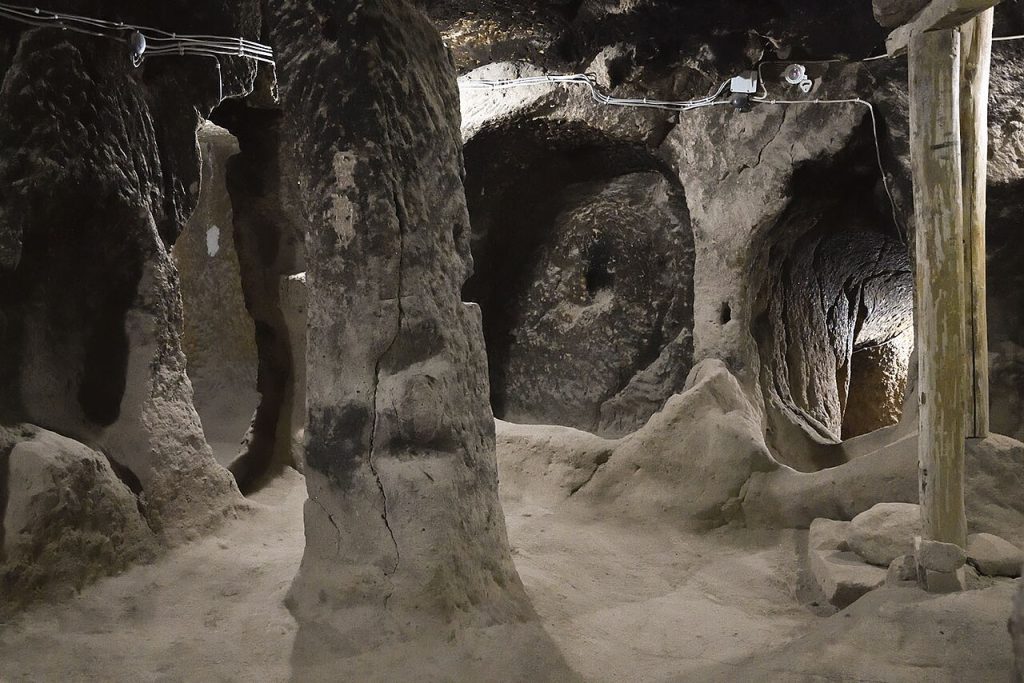
Gümüşler Monastery attracts attention not only with its architectural features, but also with its artistic details. This structure has been an important center that reflects the religious and social life of the period with its priest rooms carved from the rock, kitchen, storage cubes, two -storey underground cities and hidden hiding areas.
One of the most remarkable elements of the monastery is the frescoes that decorate the walls of the church. Hz. Jesus, Hz. Among these frescoes that describe the early elders of Christianity and Christianity, it is known to be the only example in Anatolia. “Gulen Mary Mary” Freski attracts visitors.

Hz. The birth of Jesus, the gifts presented to him and his mother Hz. Scenes such as Mary meeting with the saints were embroidered in frescoes with fine workmanship. In addition, the Archangel Gabriel and Mikail Hz. The scenes telling Mary to convey God salute are one of the important details that decorate the walls of the church.

Unique Architecture of the Gümüşler Monastery
In the center of the Gümüşler Monastery, there is a courtyard of 15 meters in diameter and 14 meters high. This wide open courtyard, unlike other monastery structures in Cappadocia, offers a square -shaped and courtyard arrangement. While the east, southern and western parts of the monastery are used as residential and outbuildings, the north side there is the church that hosts the fresco of the “Gülen Mary” fresco unique to the Gümüşler Monastery.
On the outside of the monastery, there are settlements extending about 1.5 kilometers and with these features, the Silver Monastery has a unique position in the Cappadocia region. The two -storey underground cities were used as both security and living space and responded to the needs of the period with its sections such as kitchen and pantry.

One of the most important touristic values of Cappadocia, Gümüşler Monastery continues to fascinate its visitors with its historical and artistic features. With its open courtyard, rock carved structures and unique frescoes, this monastery is not only a religious structure, but also a treasure of art and history that reveals the rich heritage of the Byzantine period.

Concerned “Petra is the lost city of Islam, which will make you question all what you know. for article named Click here!
To join our WhatsApp Group Click here!


