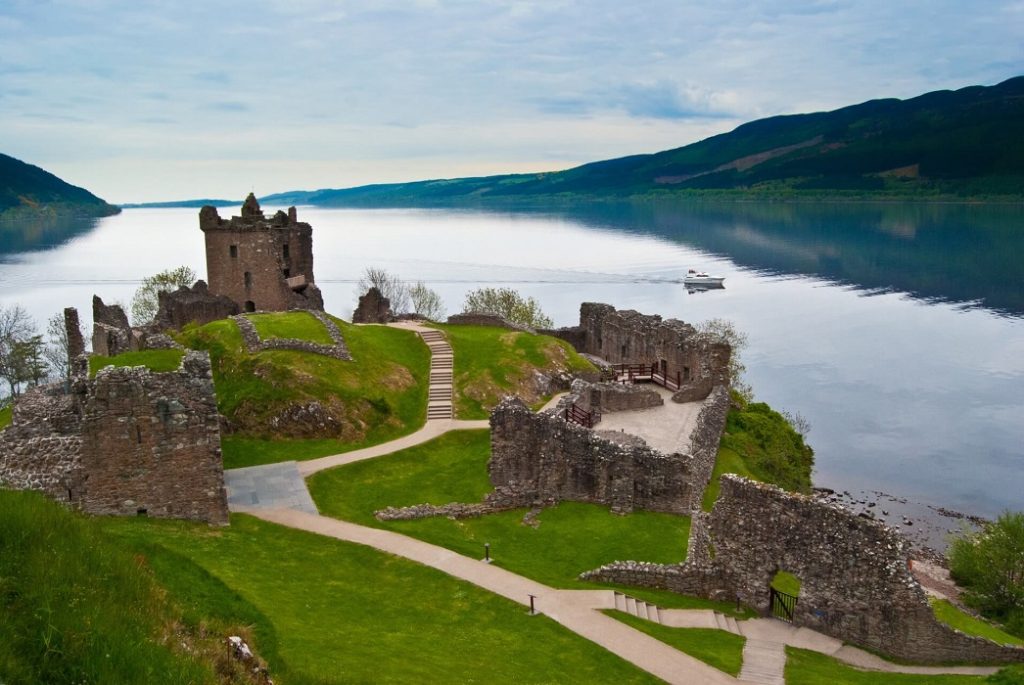
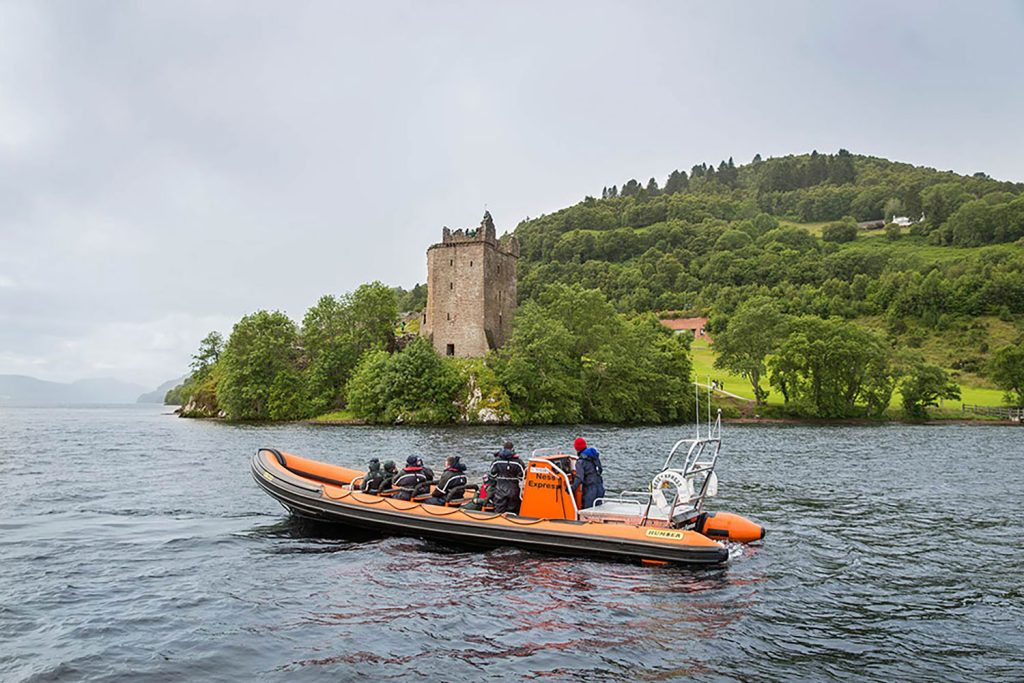
Recently, a big hunting event was held. Even in the 21st century, hunting activities still continue. However, this time the hunting event served a slightly different purpose. Hundreds of volunteers gathered on the shores of Lake Ness in Scotland, where they attempted to search for the Loch Ness monster. It has been the largest “hunting event” or research project in the last 50 years to find this legendary creature that thousands of people have claimed for years.
To solve this mystery, people from all over the world are using high-tech equipment, modern tools such as drones equipped with sonars and heat-sensitive cameras. They waste both their time and financial resources in this process. This hunting activity, It also provides economic benefits to the local people. The legend of the Loch Ness Monster encourages tourists to visit the region, contributing to an average annual income of $52 million.
This mysterious being living in the misty and cold waters of Loch Ness has attracted the attention of people for thousands of years. Its curved back, long neck and other descriptions seem to represent a mystical spirit embodied in the nature of Scotland. Therefore, efforts to find him continue. Because the unknown has both a frightening and attractive element. We have questions about nature that we cannot answer.
What is the Loch Ness Monster?
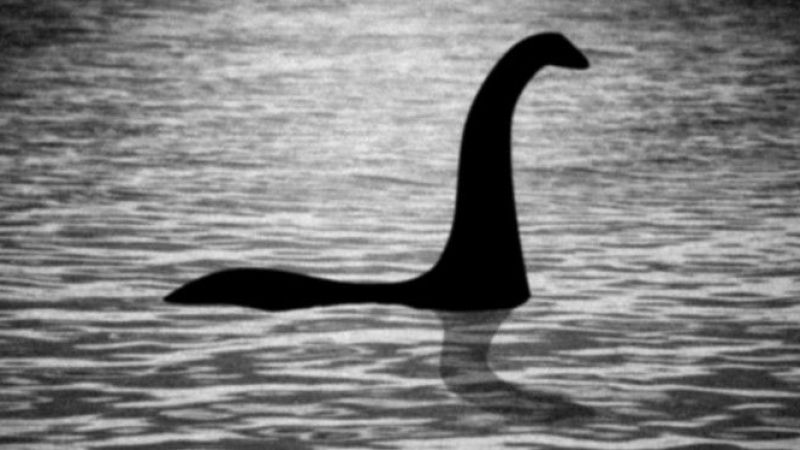
The Loch Ness Monster is a creature believed to live in the Loch Ness lake in the Scottish Highlands, according to Scottish folklore. It is usually characterized by a large, long neck and one or more humps that can float to the surface of the water. Interest in and belief in this legendary creature has constantly changed since it was first announced to the world public in 1933. Evidence for the existence of the Loch Ness Monster consists of controversial photographs and sonar readings. In particular, the most famous photograph, known as the “Surgeon’s Photo”, was later revealed to be of a toy submarine.
The scientific community debunks the images of the Loch Ness Monster, explaining them as hoaxes, misleading images, or misidentifications of ordinary objects. Therefore, there is no conclusive evidence of the creature’s existence. This creature is often called the “Loch Ness Monster” or simply “Nessie.” The first account of the Loch Ness Monster is mentioned in the notes of the Irish missionary St. Columba, dated 565 AD.
According to the writings of St. Columba, there is information about a monster that lived in Loch Ness Lake at that time and allegedly ate people. On his way to visit the king, St. Columba attends the funeral of an ancient people called the Picts, who were said to have been eaten by this monster. According to Columba’s notes, he witnesses the beast eating a man and, fearing God, orders the beast back to the lake. The beast obeys and never harms anyone again. This story, Loch Ness Monster It is one of the first narratives about the subject in history.
The Loch Ness Monster is known as a mysterious entity that has come to the fore with numerous eyewitness and photographic claims over the years, but still no concrete evidence has been presented. Discussions and research about Nessie still continue.
For detailed article about Loch Ness Monster CLICK.
Loch Ness Lake
Loch Ness Lakeis a valley barrier lake in the Highlands of Scotland. Being quite deep and wide, Loch Ness is 15.8 meters above sea level and therefore quite high. While it is known that the lake is fed by 5 different rivers, its surface area is approximately 56.4 square kilometers. While the longest length of Loch Ness is 40 kilometers, its deepest point reaches up to 230 meters.
Famous for its brown waters and magnificent natural beauty, the highlight of this lake is the legend of the Loch Ness Monster. There is no scientific evidence for the existence of this legendary creature, also known as Nessie. But some people claim that this monster hides in the deep caves of the lake and cannot be observed due to the muddy waters of the lake.
Loch Ness is the widest lake in Scotland after Loch Lomond and the second deepest after Loch Morar. There is also an island named Cherry Island, which adds to the natural beauty of the lake.