The olive tree, considered the symbol of immortality, has had a special place in human history for centuries. This special tree species has been evaluated in a wide range of contexts, from its mention in the Quran to meaningful references in the sacred texts of different religions. When we look at the origins of the olive tree, it is seen that it is one of the rare trees considered sacred in many great civilizations and nations.
The Olive Tree has been around for about 6,000 years symbolizing peace, wisdom and hope It is a special tree. The olive tree, which has been grown for thousands of years in regions with a Mediterranean climate, represents a long history. Throughout history, this tree has occupied an important place in people’s lives; Its fruits are collected, squeezed and used in various fields. olive oil has been obtained. Olive oil, which adds flavor to meals with its unique taste, has been used for years to illuminate, religious rituals and health It has also been used in the field.
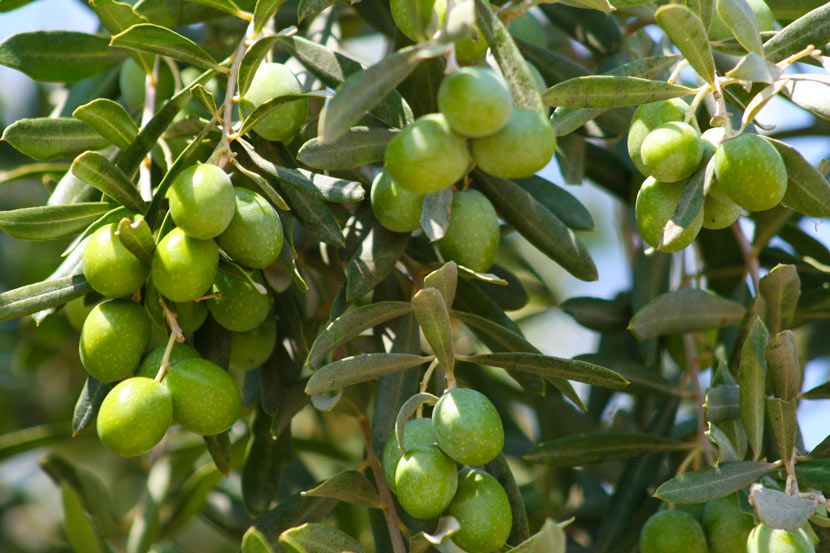
This tree, known by various names such as Zeytun, Olive or Olea europaea, olive family belongs to the family. Olive trees, which are on average 5-10 meters tall, can live up to a thousand years. Its leaves are evergreen and almost similar in shape. The fruits are generally fleshy and round. The original homeland of the olive includes the Mediterranean countries, Central Asia and Southern Australia. Beyond this information, it is also a fact that there are many unknown or still undiscovered details about the olive tree.
26 November World Olive Tree Day
26 November World Olive Tree DayIt is celebrated to promote the symbolism of this precious tree and to prevent the threats brought by global warming. This special day is a day of awareness and action for the elements represented by the olive tree. The olive tree is considered both our heritage and a legacy that will be passed on to future generations.
This meaningful day is an opportunity to protect this tree and understand its value. For global warming Environmental threats such as these threaten biodiversity by affecting the olive tree as well as all natural life. For this reason, November 26 is celebrated as a day of action to protect the important values symbolized by the olive tree and to pass them on to future generations.
International Olive Council (IOC) and the United Nations Educational, Scientific and Cultural Organization (UNESCO), emphasized the cultural importance of the olive tree and made an initiative to add it to the list of Intangible Cultural Heritage. As a result of this initiative, the olive tree and the cultural practices and values associated with it, especially the celebration of 26 November “World Olive DayA decision was made that it should be celebrated as “. This decision designated November 26 as World Olive Day, emphasizing the symbolism, cultural heritage and historical importance of the olive tree for humanity.

History of Olives
Olive is an important plant whose history dates back 8000 years and is the source of many legends. Hz. Prophet NoahIts existence has been documented in many periods, from ancient Greece to the Egyptians and from the Romans, where the benefits of the olive tree and olive oil were mentioned.
Olive pits and leaf fossils found on Santorini Island in the Aegean Sea during archaeological excavations dating back to 3700 BC show that olives date back to that period. However, it is not known exactly where and by whom the first olive tree was domesticated. Today’s olive trees are varieties obtained by domesticating wild trees by grafting and producing abundant crops.
Olive cultivation, approx. It started in Anatolia around 4000 BC. and from there it spread to the Mediterranean countries. Seedlings brought from Anatolia were planted on the island of Crete, and this place played an important role in the spread of olive tree culture to the Mediterranean for 3000 years. Obtaining, storing and trading olives and olive oil has developed on this island. During excavations in Crete, documents regarding the production of olive oil were found in the ruins of the palaces of Knossos and Faitos. Findings such as olive oil production, storage jars, and murals showing people dancing in olive groves have also been uncovered.

In ancient Greek mythology, Athena, the goddess of science, was also known as the protector goddess of the olive tree. Thinkers such as Aristotle and Plato included extensive information about the olive tree in their works. Athenians consumed around 30 liters of olive oil per person annually.
There is a belief that Saul, the first Israelite king who ascended the throne in 1035 BC, was blessed by applying olive oil to his forehead. After this incident, an expression that is still used today emerged: “like pure olive oil“ is used to express a solid character.
Special ships were built in the Mediterranean for olive trade and olive cultivation expanded over time. The Spanish brought the olive trade to America, enabling it to spread first to Mexico and then to California and South America in the 16th and 17th centuries. The olive tree is the symbol of wisdom and victory, the olive branch is the symbol of peace, and olive oil is the symbol of purity and simplicity.
Olives, Praised in the Quran, Are Considered Sacred in Every Religion
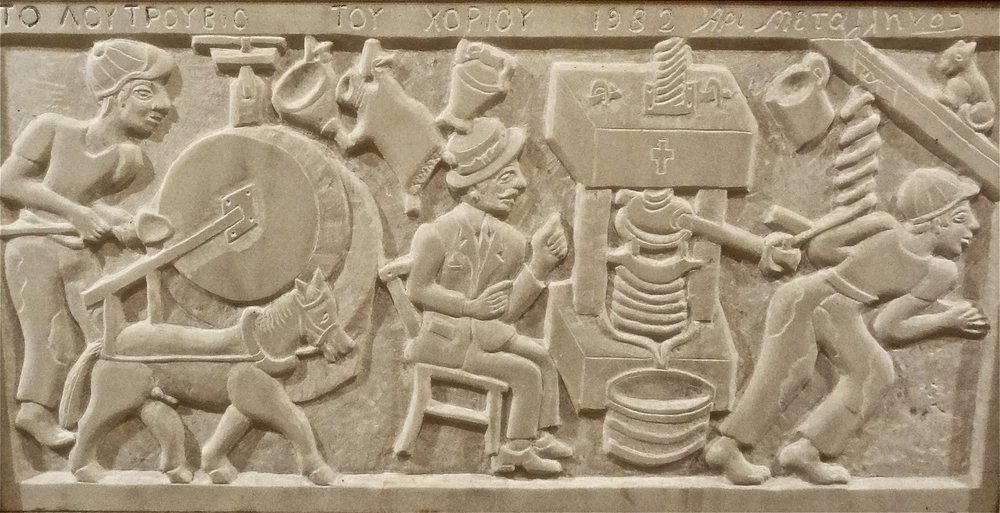
Olive, In a total of 7 verses in 6 suras in the Quran It appears as a popular and praised plant. In these verses from the Surahs Nahl, Tin, Enam, Müminun, Abese and Nur, the olive is praised as a blessed plant. In the 35th Verse of Surah An-Nur, “The oil of the blessed olive tree, which does not belong to the east or west, gives light even without touching the fire.” These expressions emphasize the abundance of the olive tree.
Hz. Muhammad (pbuh) also frequently mentions olives and recommends consuming dates, water and olives for iftar. In fiqh books, although olives are nutritious, they are considered a food preferred by those who practice asceticism in Sufi practices because they do not fill the stomach.
Fiber-bearing branches or roots of olive trees miswak It is recommended in cases where there is no Erak tree. Olive is a plant frequently mentioned in the Bible and Torah. While the preparation of baptismal oil is described in the Torah, Prophet David compares the olive to a righteous and decent human being. According to the Old Testament, olive oil symbol of prosperity and abundance It is considered. There is also information in the Old Testament that the Semites living in Mesopotamia used olive oil in their daily lives.
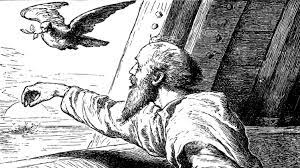
The olive tree has a history even older than human history. Hz. Prophet Noahsent by to find out whether the world had returned to normal after the disaster. white dove with an olive branch in its mouth has returned. Since this incident, the olive has been considered a symbol of peace, tranquility and order. Olives have played an important role in baptismal ceremonies in many religions and religious rites in the Mediterranean.
The Origin of the Olive Tree Is Even Older Than the Invention of Writing
The olive tree has been grown in the Mediterranean basin for 6000 years. is one of the oldest tree species. Olive cultivation has a history even older than the invention of writing.
Symbol of Immortality: Olive Tree
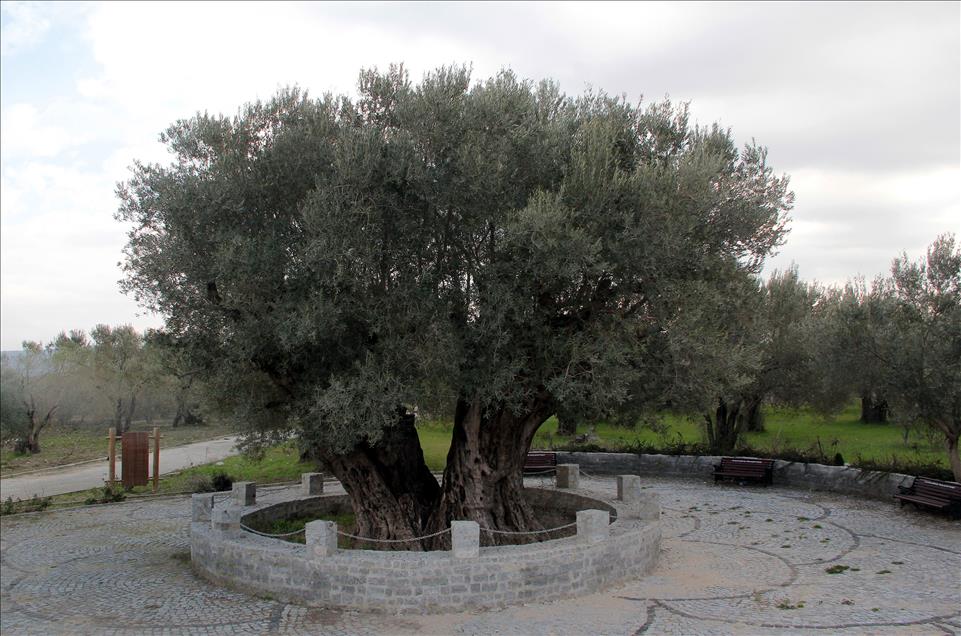
Olive-tree, a symbol of immortality It is seen as; Because even a 500-year-old olive tree can grow back from its roots and bear fruit when cut down. Generally, olive trees can live up to 1000 years, and even 2000-year-old ones have been found. Scientifically, one of the factors in this longevity is the protective properties in the leaves of the olive tree. oleuropein is the article.
Medical Symbolism of the Olive Branch
Symbol of medical science the one which… The staff with double snakes actually represents an olive branch. The olive branch appears on the symbols of the faculty of pharmacy and the ministry of health in Turkey. Olive is considered a symbol of resistance and strength.
The olive tree is a universal symbol that embodies the purpose in human history and has accompanied people for thousands of years. With its legendary longevity and ability to be reborn from destruction, the olive tree transcends the moment and represents being a part of humanity.
For these reasons, since ancient times, the olive tree has been a universal symbol of peace It was accepted as. Even today, this symbol continues to accompany us: alongside the branches adorning the United Nations flag, an olive tree grows in the Square of Tolerance at the UN Headquarters in Paris, as a permanent reminder of our commitment and existence.