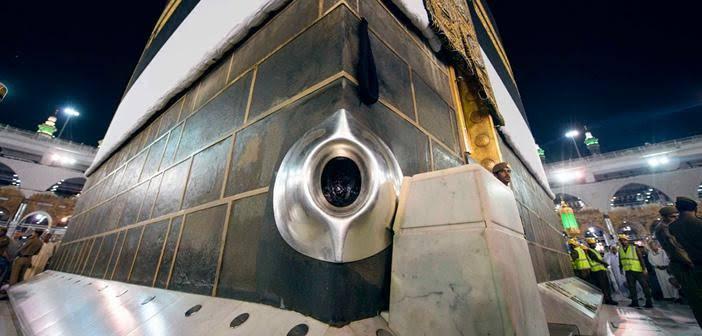
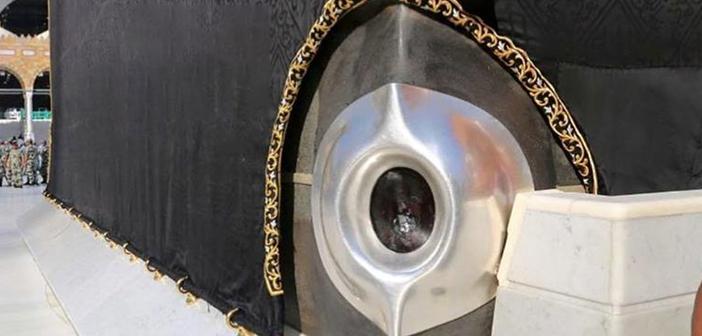
Hacer-ul Esved is a black and shiny stone found on the wall of the Kaaba and considered sacred by Muslims. During the pilgrimage, pilgrims greet, touch or kiss this stone at each turn while circumambulating the Kaaba. However, this stone is not only a sacred object but also has a controversial history and origin.
Some put forward different theories about the historical origin of the stone and how it became part of the Kaaba. While some researchers claim that Hacer-ül Esved is an object associated with pagan beliefs in the pre-Islamic period, others argue that the stone has a symbolic or mythological importance.
Additionally, not having clear information about the history of the stone leads to speculation and different opinions in some circles. And also, Hacer-ul EsvedHow it was positioned during the construction of the Kaaba and the events it experienced throughout history are also among the topics of discussion.
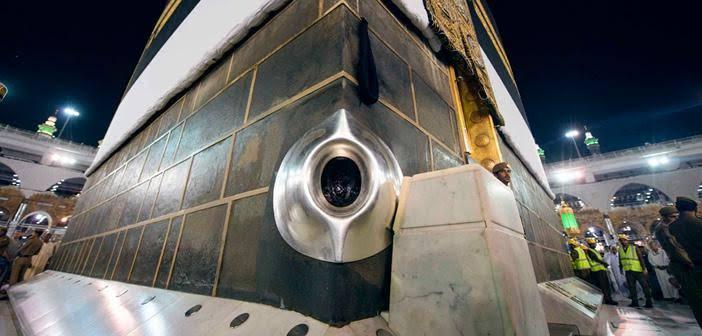
The Importance and Origin of Hajar-ul Esved
Hacer-ul Esved the term in Arabic “black stone” It means. It is thought that this egg-shaped stone, located 1.5 meters above the ground, approximately 30 cm in diameter, is named after its dark red color almost black. In the prehistoric period, the stone PetraIt is claimed that it is the symbol of the goddess Al-lat, who is also known as Kaab. However, even today, some religious groups object to the practices regarding the sanctity of the Kaaba and the black stone.
Various researches have been conducted about Hacer-ül Esved. Some sources state that Hacer-ül Esved is approximately 50 cm in size. meteorite claims to be part of it. Today, pieces of this stone are kept in a silver frame. It is thought that this is related to the damage done during the Umayyad capture of Mecca. However, Hajar al-Aswad has never been analyzed with modern scientific techniques and its origins still remain a matter of speculation.
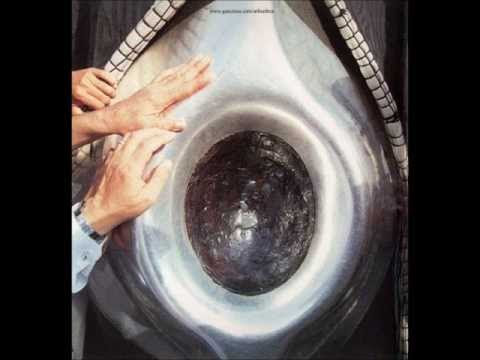
Hajj and Umrah visits One of the biggest desires of visitors during the festival is to touch the Hacer-ül Esved stone. Thousands of people compete with each other to touch the stone or just to see it closely. Pilgrims who touch the Hacer-ul Esved stone by taking advantage of a gap that may occur during the circumambulation will fulfill the sunnah of our Prophet. Because our Prophet Farewell Pilgrimage He kissed this stone during
Tawaf in Hajj and Umrah starts from Hajar al-Aswad. and again It ends at the Hacer-ül Esved stone. Since the stone is circumcised during Tawaf, it is kissed if possible, otherwise it is touched with hands. If the opportunity to touch is not possible, the greeting is given from a distance by raising the hand and saying “Bismillahi Allahu Akbar”. It is also narrated that during a Farewell Hajj when the Prophet was ill, he touched the stone with his staff without dismounting from his camel and saluted with his hand during a circumambulation.
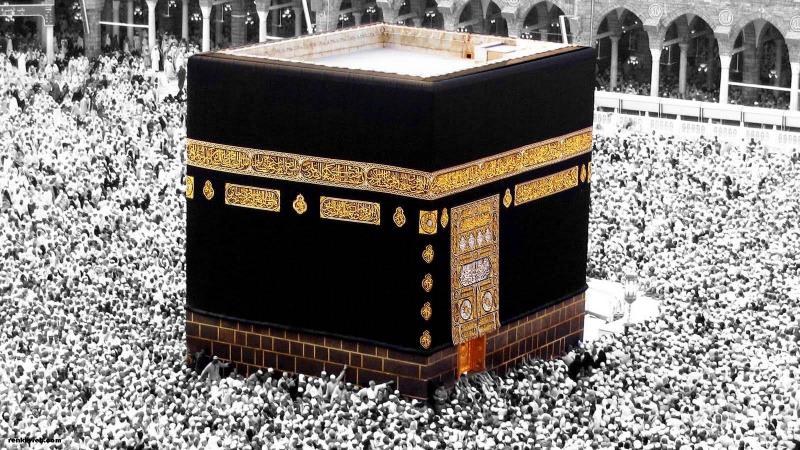
Belief that Hacer-ül Esved was sent down from Heaven
Sources, Hacer-ül Esved Hz. The starting point of circumambulation during the construction of the Kaaba by Abraham confirms that it has been placed to determine However, there are various rumors about the origin, history and nature of this stone. According to some narrations, Hacer-ül Esved was sent down from heaven, Noah’s Flood during Abu Kubeys It is protected in the mountain and Hz. It is stated that it was brought from there and put in place while Abraham was building the Kaaba.
Hz. When Adam was brought down from Heaven to earth Together, God Almighty sent him a tent of Heaven through the angels. Inside this tent was a white ruby stone known as Hacerü’l-Esved. Hz. Abraham, his son Hz. While he was building the Kaaba with Ishmael, he asked his son to bring a stone as the beginning of the circumambulation. Hz. Ismail, He went out to find the stone but came back empty-handed. Thereupon, Hz. Gabriel Hz. He brought a stone to Abraham. Hz. The stone that Gabriel brought was white at first. However, according to some hadiths, the stone turned black as a result of polytheists touching it or fires breaking out from time to time.
The Arabs attributed a special importance and sanctity to Hacer-ul Esved in the pre-Islamic period and saw it as the symbol of the holiness of the Kaaba. In addition to being an important part of the pilgrimage and circumambulation worship that has been going on since Abraham, it was also associated with the habit of worshiping stones and idols made of stones among the Arabs at that time. This situation has led some Western researchers to the wrong conclusion that Hacer-ül Esved may be the remains of an ancient idol.
The Claim that Hacer-ül Esved is the Symbol of Goddess Cybele
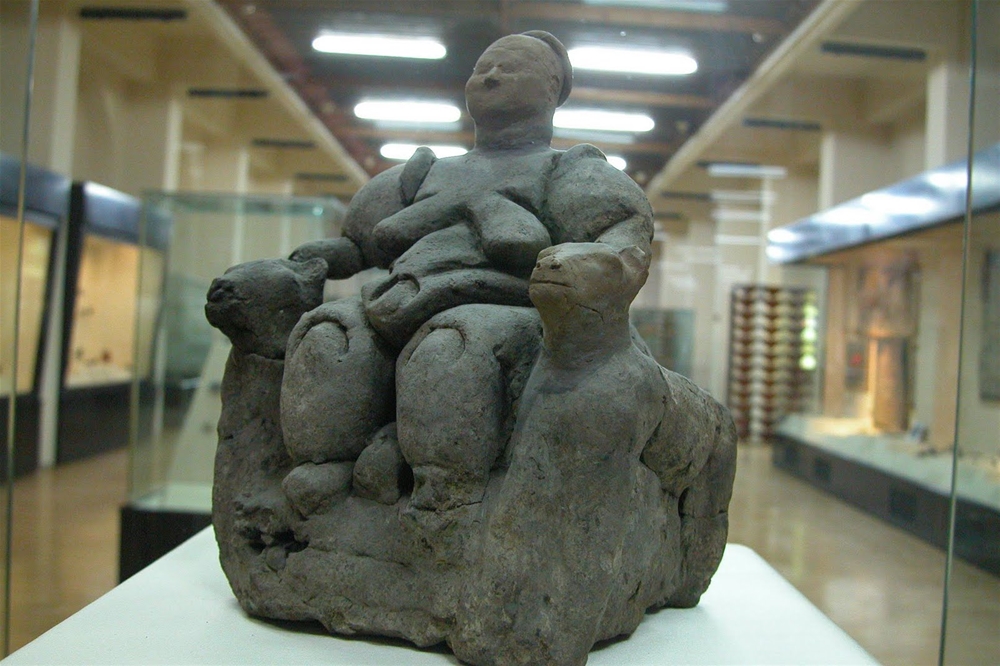
Hacer-ul Esved is a stone that was also considered sacred in pre-Islamic Arabia. A sacred black stone in all religions It is stated that there is. This stone is thought to represent Al-Lât, an important goddess in the Petra and Qudayd regions in the pre-Islamic period. It was also used as the symbol of Cybele in Western Anatolia.
of Anatolia Hittites And Phrygians during the period, Cybele A female goddess called ‘Allah’ was worshiped. Pessinus In the city, there was a black stone that was believed to have fallen from the sky, and this stone Icon of the goddess Cybele It was believed to be. In 191 BC, this stone was taken to Rome, and with the collapse of the Roman Empire in 476 AD, no definitive information was available about what it was.
While some think this stone fell into ruins, others suggest it may have met a different fate. It is claimed that this stone is actually the Hacer-ül Esved stone in the Kaaba and cybele stone It is suggested that the name of the qibla and the idol Hubel comes from Cybele. It is thought that the word Cybele and the word “qibla” are related.
History of Hacer-ül Esved
KaabaIt is a sacred place that has witnessed many wars, destruction and natural disasters throughout history. During these processes, it was destroyed many times and rebuilt many times. From these processes Hacerü’l-Esved stone was also affected.
The region and the Kaaba, which came under the control of the Amalika tribe for a period, were rebuilt with higher walls. However Amalika tribeHe started to see the Kaaba as his own property and started to treat pilgrims badly. After a second flood, the Amalika tribe abandoned the Kaaba.
The region later fell into the hands of the Jürhimis, but they also treated the pilgrims badly. Upon this situation, Bekroğulları and Huzaans expelled the Jurhimis from Mecca. However, while leaving the city, the Jürhimis plundered the valuable belongings of the Kaaba and buried Hacerü’l-Esved. The people of Huzaa, who captured the city, found the stone and put it back in its original place. Later, the administration of Mecca and the Kaaba passed to the fifth ancestor of the Prophet, Qusay bin Kilab, and his sons.

Hz. During the time of the Prophet, valuable belongings of the Kaaba, whose walls were low, were stolen and it was decided to rebuild the Kaaba in a more protected way. However, the dispute regarding the placement of Hacerü’l-Esved was not resolved and in order to avoid bloodshed, it was decided to accept the arbitration of the person who came first. On the morning of the decided day, our Prophet came and put the Haceru’l-Esved in its place and established peace between the tribes.
In a war that broke out during the reign of Yazid after the Prophet Muhammad Hacerü’l-Esved stone divided into three pieces divided. Later, while the broken pieces were put together during the reign of Abdullah bin Zubeyr, the Kaaba was repaired during the reign of the Ottoman sultan Ahmet the First. However, a piece of the Hacerü’l-Esved stone was broken in the Kaaba, which was destroyed again by a flood. With the repair of the Kaaba during the reign of Murat the Fourth, the Hacerü’l-Esved stone was protected by being covered with silver and gilded with gold.

